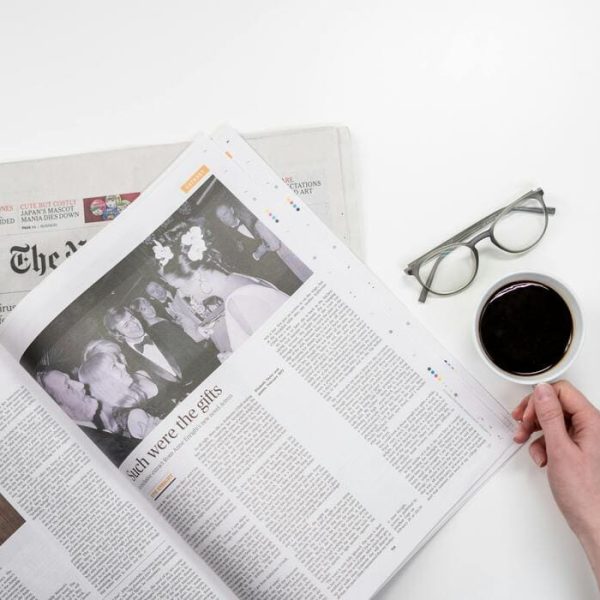
A headline has about two seconds to earn a click. Readers scan feeds, inboxes and search results at speed, and the line you write decides whether your best work is read or ignored. The good news is that strong headlines follow patterns you can learn, test and repeat, and that small changes in wording often lead to large changes in results.
Why Headlines Decide Everything
Most people never read past the title. Studies of online reading habits show that far more readers see a headline than open the article, which means the headline carries most of the weight of your marketing. An average article with a brilliant headline will often outperform an excellent article with a weak one.
This is not a reason to write misleading titles. Readers punish disappointment quickly, and a promise that the content cannot keep damages trust. The goal is to make an honest promise as attractive as possible.
Start With the Reader Benefit
Every good headline answers one silent question: what is in it for me? Before writing, finish this sentence in plain language: after reading this, my reader will be able to do what? The answer is usually the center of your headline.
A headline that names a clear benefit beats a clever one almost every time, because readers do not have time to decode wordplay. Save the cleverness for the body, where people have already decided to stay.
Proven Formulas You Can Adapt
Numbers, questions, how-to phrases and direct promises all work because they set expectations. How to cut your email time in half, seven mistakes that cost small shops sales and why most landing pages fail are familiar shapes that readers understand at once.
Use formulas as a starting point, not a script. Write twenty versions of the same headline, then cut the weakest fifteen. The best option often appears after the obvious ones are out of the way.
Use Specific Words and Numbers
Specific claims are more believable than vague ones. Cut costs by 23 percent sounds real, while reduce costs significantly sounds like an advertisement. Concrete nouns and verbs also create pictures in the reader mind and make the line easier to remember.
Only use numbers you can support. If a figure comes from your own data, say so in the article and explain how you measured it.
Keep Length and Clarity in Balance
Search engines display roughly sixty characters of a title, and social platforms cut off long lines. Aim for a headline that makes sense in its first few words, then adds detail afterward. Put the most important word near the beginning.
Read your headline out loud. If you run out of breath or stumble over a phrase, simplify it. Clear writing outperforms ornate writing in nearly every test.
Test Instead of Guessing
Even experienced copywriters cannot predict which headline will win. Run simple tests by sending two versions to equal parts of an email list, or by rotating titles on a blog post and comparing click-through rates over a week.
Record results in a spreadsheet and look for patterns. After a few months you will know which words, lengths and structures your audience prefers, and this knowledge is worth more than any template.
Match the Headline to the Channel
An email subject line, a search result, a social post and an advertisement each have different rules. Email lines can be short and personal, search titles need keywords, and social headlines benefit from emotion and curiosity.
Study what already performs well on each channel and adapt it. Resources such as Copyblogger publish practical examples that show how professionals write for different formats.
Writing Headlines for Global Audiences
A headline that works in English may fail in another language. Humor, idioms and word play rarely translate, and number formats, punctuation and tone change by market. Businesses that grow abroad should adapt their titles rather than translate them word for word.
Teams that publish in Russian often work with english to russian translation specialists who rewrite headlines for local readers, and guidance on machine translation post-editing shows how human editors improve machine drafts before publication.
Common Headline Mistakes
Typical mistakes include vague promises, clickbait that the article cannot fulfill, long titles that get cut off, and words that signal advertising too early. Another frequent error is writing the headline last in a hurry.
Treat the headline as a core part of the piece. Many professionals write the headline first, then build the article to deliver on it.
Build a Swipe File
Collect headlines that made you click, from newsletters, websites and magazines. Note the structure, the promise and the emotion. Over time you will develop a personal library that makes writing faster and more varied.
Do not copy lines. Analyze why they worked, then apply the idea to your own subject in your own voice.
Turn Headlines Into a Weekly Habit
Set a regular time to write headline options for the next week of content. Short, focused sessions produce better results than occasional marathon attempts. Share your top three choices with a colleague for a quick opinion.
Keep a simple record of every headline you publish and its results. A year of notes will show you how much your instincts have improved.
Final Thoughts
Headlines that make money are not tricks. They are clear promises, written for a specific reader, tested with real data and adapted to every channel and language. Learn the patterns, practice often and measure honestly.
Do this consistently and your best content will finally reach the audience it deserves.
Headline Examples and Why They Work
Compare two versions of the same idea. Marketing tips is vague, while Seven marketing habits that doubled our email replies promises a specific result and a clear number. A headline such as How to write a subject line in five minutes tells readers the effort, the outcome and the format all at once.
Collect before-and-after examples from your own campaigns and review them with your team. Seeing the difference between weak and strong versions trains your eye faster than reading rules.
Emotion, Curiosity and Honest Urgency
Strong headlines create a small gap between what the reader knows and what they want to know. Curiosity works best when the article truly delivers the answer. Emotion also matters, but it should match the content, whether that is relief, ambition or amusement.
Urgency can help when it is real, such as a limited offer or a seasonal deadline. Invented pressure erodes trust and teaches readers to ignore your messages.
Headlines for Landing Pages and Advertising
A landing page headline has one job: confirm that the visitor is in the right place and show the main benefit. It should echo the words of the ad or link that brought them there. Keep it short, clear and specific, and support it with a subheading that adds detail.
Test alternatives against each other for at least a few hundred visits before choosing a winner, and keep a log so that you never repeat a failed idea by accident.
Editing Your Own Headlines Like a Professional
Write many versions, then edit ruthlessly. Remove filler words, replace vague verbs with strong ones and check that the promise matches the article. Read the headline aloud and ask a colleague what they expect to find inside.
If their answer differs from your content, adjust either the headline or the article. Alignment between the two is what turns clicks into lasting readers.